Why Can’t I Stop? Understanding Addiction Beyond Willpower
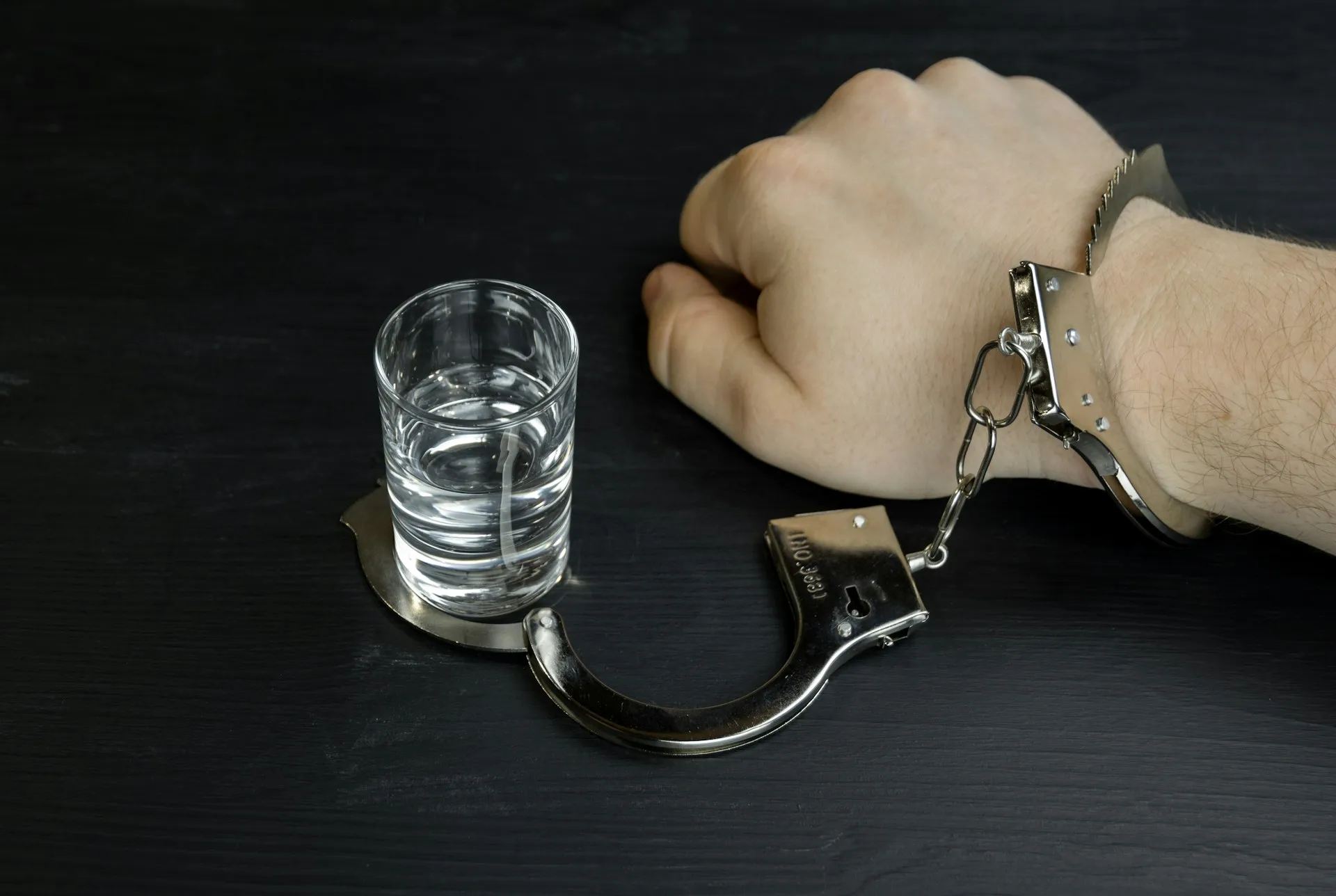
Many clients have told me things like, “I just need to be stronger,” when it comes to addiction and compulsive behaviors. They create strict rules to try and help themselves…
- Just have two drinks instead of six.
- Only use cocaine at concerts.
- Weed use for weekends, not weekdays.
Believing you just need to be “stronger” is setting you up for failure and self-criticism. And here’s why:
Let’s talk about brain chemistry (don’t worry, I’ll make it simple)
Alcohol disrupts the function of your prefrontal cortex. I like to call this part “Einstein” because this is the part of our brain that is capable of more sophisticated thinking, decision making, logic and reason, and problem-solving skills. When it comes to alcohol, Einstein drinks first. Think about it: last time you had a few drinks, you probably experienced less social anxiety and lowered inhibitions as Einstein loosened up.
Einstein is responsible for regulating your behavior, but if you get Einstein drunk, ya boy ain’t gonna do that for you anymore!
When we use substances repeatedly, we create a substance-use superhighway in our brain, and all feeder roads lead right to it. Sad? Have a drink and travel down to the substance-use superhighway. Bored? Use coke and get routed to the superhighway again. Anxious? Smoke some weed and get right back on that same route.
You aren’t weak. It’s just basic brain chemistry. And it gets even more complex than that.
Our environment also plays a role
There was a famous series of addiction studies called Rat Park in which rats were put in cages by themselves and given the option of morphine-laced water bottles or regular water bottles. What did they choose? Well, they drank their morphine water more often. No surprises there.
In another part of this series, a group of rats was put into an enclosure together (with their rat friends) and given interesting toys and obstacles. This communal cage also had the same morphine and regular water options. Guess which water these rats chose?
The rats placed in community with other rats and activities chose the regular, non-morphine water more frequently than the morphine water!
Okay, so let’s hear that again. Rats who had friends and activities used significantly less morphine. So all we have to do is get you more friends and hobbies, right? Well, it can’t hurt. But addiction is STILL not that simple.
Ever been through something painful?
There is also a very strong link between trauma and later health struggles.
A CDC-Kaiser Permanente study found that the more traumatic experiences a person has in childhood, the more likely they are to struggle with health problems later, including alcohol or substance use disorders.
So when it comes down to it, there are a lot of reasons why you might have addictive or compulsive patterns that have nothing to do with your inner strength or willpower.
You are not weak and you do not lack willpower.
Your addictive and compulsive patterns could be a combination of trauma, environment, straight up basic brain chemistry, or even something else this blog hasn’t even talked about.
And here is the most frustrating part:
You probably know what to do to resolve this. But you just can’t seem to do it.
Addiction isn’t just about substances or the other common addictive behaviors either (i.e., gambling, sex/porn, and video games). What if I told you that all humans have addictive tendencies? All humans experience feelings of emptiness that they try to fill with something else. Ever spent an entire weekend watching Netflix? Ever emotionally eaten? Doomscrolled for hours? Overworked, overexercised, or overslept?
Maybe for some of you, you wouldn’t go as far as calling it an addiction, per se… but at the very least you might notice times you’ve avoided uncomfortable or painful emotions for too long.
There is a very profound saying in addiction communities, “The opposite of addiction is connection.” Our therapeutic relationship can help. The modalities I use go subcortical, beyond basic problem solving and coping skills, to actually change the way you tolerate pain, discomfort, and cravings.
You can actually feel different rather than just think “I shouldn’t have another one…” But then do it anyway.
Want to nerd out?
- Rat Park and Rat Park Follow Up Study
Bruce Alexander and colleagues studied rats and addiction, which was replicated multiple times.
- Adverse Childhood Experiences (ACE) Study
Trauma and addiction connection found in the CDC-Kaiser Permanente study.
- Johann Hari's TED Talk
Hear more on Hari's phrase he popularized, “The opposite of addiction isn’t sobriety. The opposite of addiction is connection.”